This interactive presentation is designed for executive leadership and upper management supporting adults with dual diagnoses of IDD and mental health challenges who are aging in group home settings. The session focuses on building a trauma-informed, person-centered framework that strengthens organizational culture while equipping leaders with concrete tools they can bring back to front-line staff. Particular attention is given to the intersection of trauma, aging, intellectual and developmental disabilities, and mental health—recognizing how cumulative life experiences, loss, and system involvement impact both the people receiving supports and the staff providing them.
The training introduces foundational trauma concepts—what trauma is, how it affects the brain, body, and behavior, and why it matters across the lifespan for people with IDD. Leaders will explore how trauma can be misunderstood as “behavior” or “decline,” especially in aging adults, and how person-centered approaches help shift the focus from functional levels to personal history, preferences, and meaning. Emphasis is placed on behavior as communication, highlighting how everyday interactions, routines, and environments can either escalate distress or promote safety and regulation for people living in group homes.
A core component of the session addresses trauma-informed leadership. Participants will examine how organizational practices, supervision styles, and responses to staff stress can either reinforce or reduce trauma—for both staff and the people they support. Leaders will learn how to guide teams in gathering and synthesizing person-centered information, incorporating trauma considerations into person-centered plans, and supporting staff when they personalize challenging situations. Real-world examples tailored to aging adults with IDD will illustrate how trauma-informed, person-centered planning leads to more effective supports, improved staff confidence, and reduced burnout.
The session concludes with practical tools and strategies leaders can immediately apply with front-line teams. These include simple frameworks for coaching staff to interpret behavior through a trauma-informed lens, questions leaders can model to shift conversations from “what’s wrong” to “what’s needed,” and concrete ways to promote healing environments within residential settings. The presentation also introduces options for grief-informed supports—recognizing the impact of loss on both aging individuals and long-term staff—and highlights how therapeutic and reflective practices can be integrated into everyday supports. Participants will leave with actionable takeaways that support consistent, compassionate, and person-centered trauma-informed practice across their organization.
Learning Objectives
By the end of this 1.5-hour session, participants will be able to:
1. Describe the impact of trauma across the lifespan for adults with IDD and co-occurring mental health conditions, with specific attention to aging, cumulative loss, and long-term system involvement.
2. Recognize behavior as communication and identify how trauma, grief, and unmet needs may present as behavioral or emotional changes in aging individuals living in group homes.
3. Apply trauma-informed, person-centered principles to leadership and planning, shifting practice from function-based responses to supports rooted in individual history, preferences, and lived experience.
4. Identify leadership strategies that reduce staff burnout and personalization, including supervision approaches that normalize stress responses and support reflective practice.
5. Utilize concrete tools and frameworks that executive and management staff can model and reinforce with front-line teams to strengthen trauma-informed, person-centered supports where people live.
Speakers 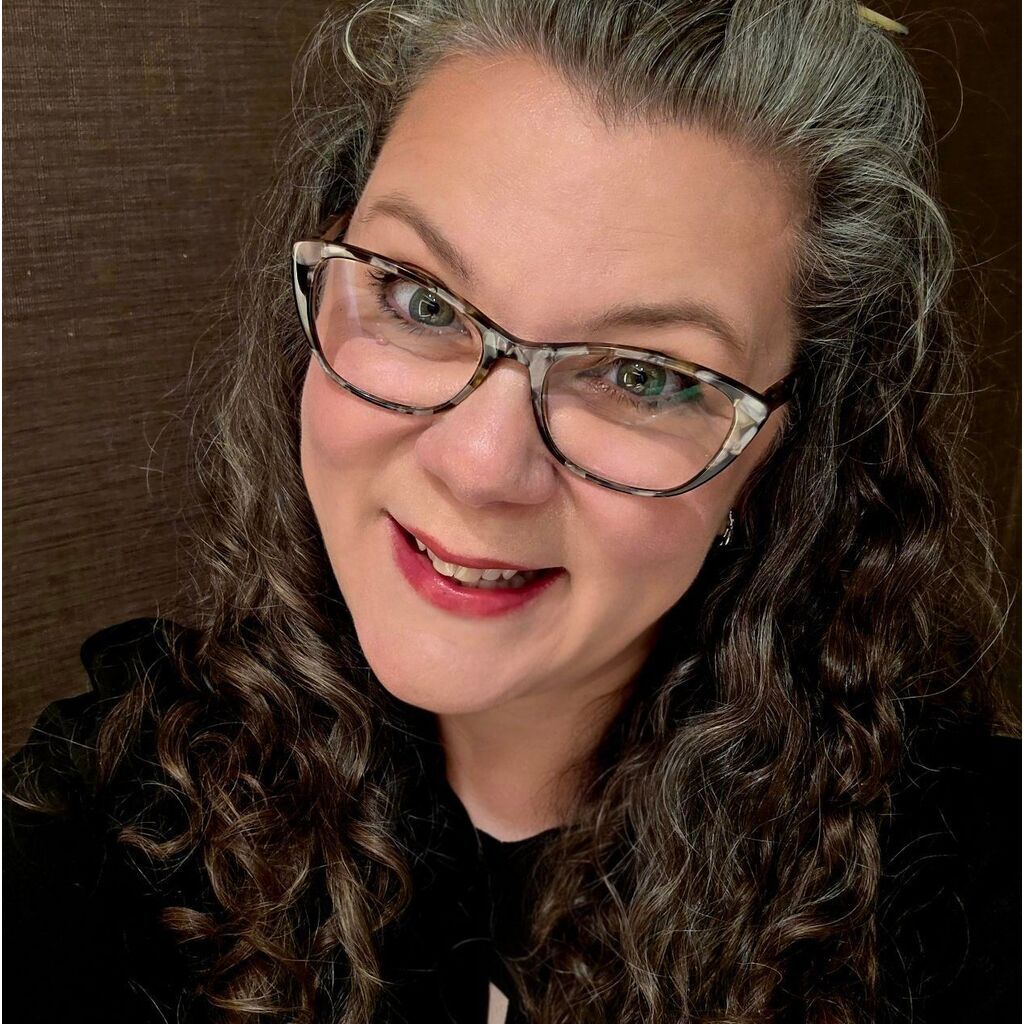
Support Development Associates, LLC
Tanya M. Richmond, MSW, LCSW, brings over three decades of experience as a licensed clinical social worker, blending deep clinical expertise with a passion for person-centered practice. She is the owner and senior partner of Support Development Associates, LLC, and also runs a private...
Read More →
Thursday June 11, 2026 11:30am - 12:45pm
EDT
653/655